 Inside the Beltway, “compromise” has become a 4-letter word, resulting in ongoing gridlock and Congressional approval ratings at record lows. Especially with the economic recovery still fragile, important decisions – and indecisions for that matter – made during the new 113th Congress will have significant long-term implications.
This week, the National Governors Association, in its first-ever State of the States Address, reminded federal policymakers of just that. And throughout the month of January, as state governors present their “State of the State” addresses, expect to hear a similar message.
This week’s address, delivered by NGA Chair Governor Jack Markell (D-DE) and Vice Chair Mary Fallin (R-OK) reviewed current conditions and challenges faced by states, and presented the governors’ outlook for 2013.
Gov. Markell laid out NGA’s vision for a number of priorities including jobs for people with employment barriers, education and tax reform. Meanwhile Gov. Fallin noted that 30 of 50 states are experiencing job growth and are seeing employment rates at pre-recession levels, while warning that federal-level decisions regarding deficit reduction and the fiscal cliff would have significant implications for states and state budgets.
As I listened to their remarks, it struck me: “We are living history.” After years of being cash-strapped, recent reports assert that many state budgets are recovering. Meanwhile as the 113th Congress winds up, decisions about deficit reduction, automatic spending cuts, FY 2012 appropriations and the debt ceiling are all due to come to a head at the end of February.
What this means is that, while Congress will continue to be a place where many good (and bad alike) ideas will go to die, there may be a few more opportunities than there have been in recent years at the state level to pursue positive policy decisions that affect Goodwill’s efforts to help people find jobs and advance in careers.
At the federal level, Congress will likely entertain proposals to consolidate or cut funding for job training programs and other supportive services that help community-based organizations like Goodwill to do more.
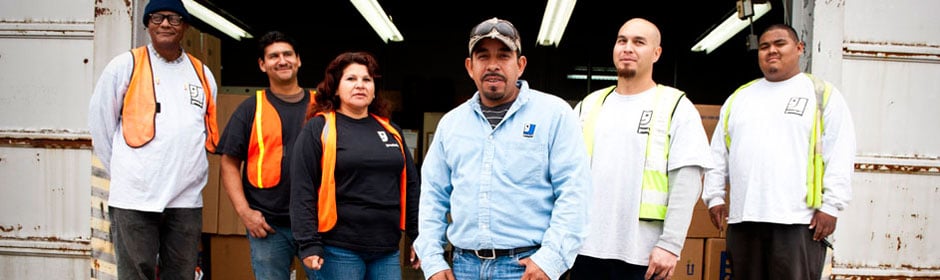
In 2011, Goodwill provided job training, employment services, and other supportive services to approximately 4.2 million people, placing more than 190,000 people in jobs and employing 105,000. While Goodwill is proud of these and other achievements, they are truly the result of a public-private partnership. As they consider proposals that affect job opportunities and supports for people with employment challenges, policymakers are urged to continue to leverage Goodwill’s social-enterprise model.