By Mitch Coppes, Government Relations Senior Specialist, Goodwill Industries International
This month marks the first anniversary of the signing of the First Step Act of 2018, a landmark criminal justice reform bill. The measure was approved overwhelmingly in Congress with bipartisan support, and was signed into law by President Trump on December 21, 2018. The Act has three major components: sentencing reforms that include changes to penalties for certain federal offenses, reducing the risk of recidivism via correctional reforms, and extending federal reentry programs authorized by the Second Chance Act.
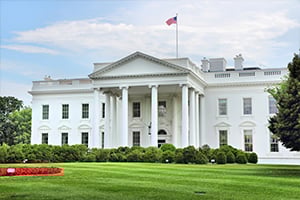
In June, Goodwill was represented at the White House alongside other key stakeholders for a summit on implementation of the First Step Act. “There is tremendous opportunity to invest in individuals reentering communities in order to support them and their families,” said President and CEO of Goodwill Industries International (GII) Steven C. Preston. “Goodwill organizations stand ready to help people achieve meaningful employment and long-term success.”
As a leading nonprofit provider of workforce training, Goodwill assists second chance individuals in securing and retaining gainful employment through evidence-based reentry services that offer participants opportunities to engage in learning, skills development, work experience and holistic reintegration services. To help further this important work, Goodwill also seeks to advance policy solutions that help second chance individuals change their lives through the power of work. GII has developed key recommendations for policymakers to help ensure that justice-involved Americans have a second chance for success and a fair chance for employment.
- Fully fund the implementation of the First Step Act and Second Chance Act reentry programs
- Repeal the ban on Pell Grants for incarcerated students and provide access to financial aid for postsecondary education and training
- Expand opportunities to expunge or seal the criminal records of second chance individuals who are at low risk to reoffend
- Promote fair chance hiring practices, such as “ban the box” policies, that encourage public and private sector employers to fully consider second chance candidates
- Enact reforms to state and federal licensing requirements and remove unnecessary barriers to licensed occupations for second chance individuals
- Address other collateral consequences of conviction, such as a lack of stable housing, restrictions on receiving public benefits and limited access to transportation
While we mark the significance of the passage of the First Step Act, more can be done. Goodwill calls upon policymakers and stakeholders to advocate for systemic changes that will help reduce recidivism, strengthen families and empower communities.
Follow us on Twitter to stay informed.