Most of us can think of a handful of successful people off the top of our heads — at work, in our communities, in major industries all around the world. But what many of us may not think of right away is the one thing they likely all have in common: a mentor.
Through their influence, counsel and friendship, mentors have the ability to make a tremendous impact on another individual’s success, be it personal or professional.
Mentoring Individuals with Disabilities
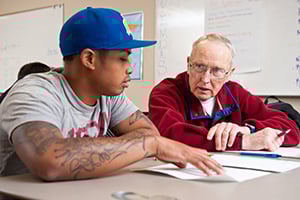
The support of a mentor can make an even bigger difference for people living with disabilities. Mentorships connect these individuals — particularly youth — with compassionate allies who are committed to helping them achieve their work and life goals while overcoming adversity.
Studies indicate that mentorships have proven to be particularly effective when it comes to helping young people who are living with disabilities as they transition into adulthood and, consequently, into professional working environments. Not only do mentors serve as role models and positive influences in a young person’s life, but they also present an opportunity to develop their interpersonal communication skills — skills which they will inevitably rely on no matter where the future takes them.
Who Benefits from Youth Mentorships?
Younger people and individuals in the disabled community who face inordinate levels of adversity are the most likely to benefit from mentorship, as are those who volunteer to mentor them.
Naturally, the longer a mentor relationship continues, the deeper the connection between the two individuals involved. Disabled youth in particular are much more likely to benefit from a mentor relationship if their mentor takes the time to communicate with them consistently over an extended period of time.
While every mentor relationship is unique, all have the potential to be mutually beneficial.
Benefits for Mentors (Employers/Professionals):
- Enhanced supervisory and management skills
- Opportunities to positively impact your community
- Genuine, lasting and rewarding relationships with mentees
- Increased self-esteem
- Expanded volunteer network (organizational)
- Connection and insight into diverse communities
- Vehicle for inclusivity and equal opportunity initiatives in the workplace
- Investment in your community’s future leaders
Benefits for Mentees (Youth):
- Improved academic performance
- Increased self-esteem and self-confidence
- Higher college enrollment rates
- Strengthened relationships with parents, teachers and other authority figures
- Improved interpersonal communication skills
- First-hand exposure to professional environments
- Enhanced soft skills and leadership skills