 A recent piece in The New York Times, “The Human Disaster of Unemployment,” noted that the number of people who have been out of work for longer than six months has increased significantly due to the recession, from 0.8 percent of the workforce in 2007 to 4.2 percent in 2010.
“Long-term unemployment is experienced disproportionately by the young, the old, the less educated, and African-American and Latino workers,” wrote Dean Baker and Kevin Hassett.
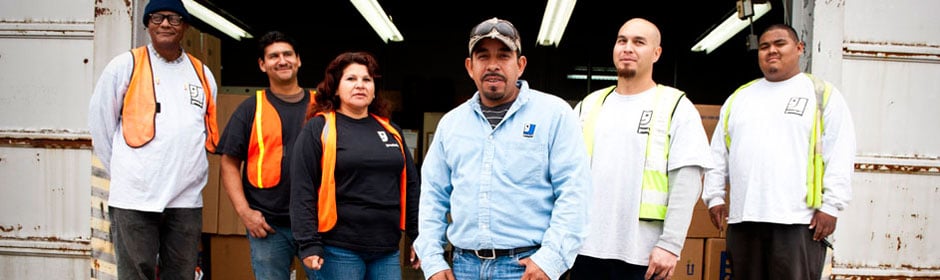
As the economy slowly recovers from the recession, Goodwill has a firsthand understanding about the impact that long-term unemployment will have for years on the people, families and communities that local Goodwill agencies work to strengthen every day — people like Tyrone Coleman, who turned to Goodwill after being unemployed for more than two years.
“I was despondent because my house was on the verge of repossession, and I had depleted all of my 401(k) to pay my house bill,” Tyrone said. “… I was desperately turning over every stone I could to find a job. Even though I was a college graduate, my skill set was outdated.”
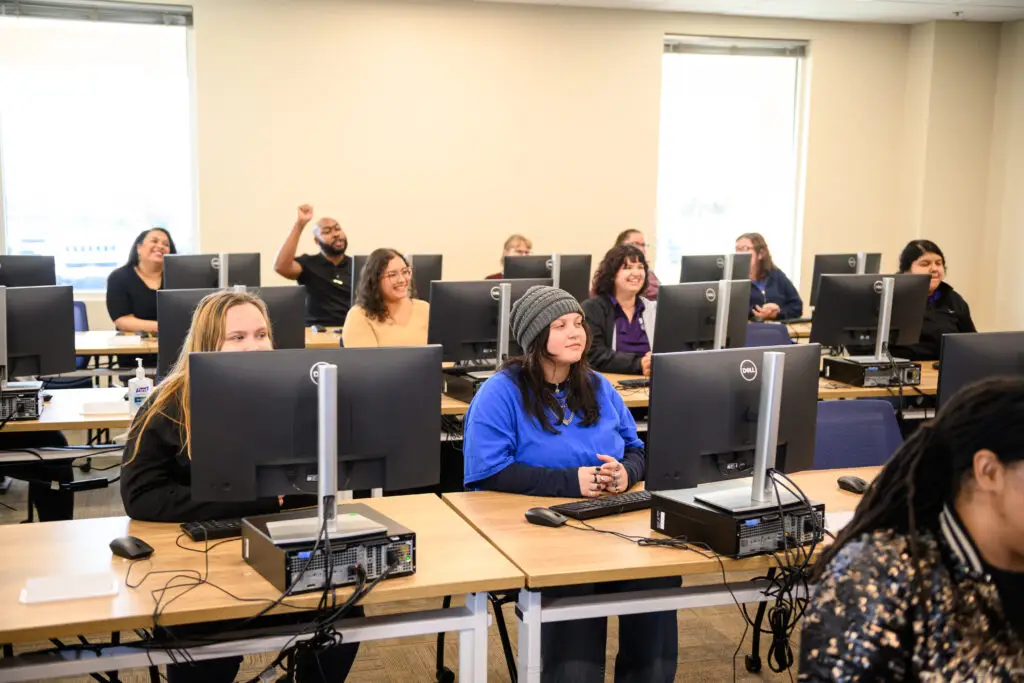
Tyrone visited Goodwill of Central Arizona (Phoenix), which helped him to access training so he could become a Microsoft Certified Professional and earn certifications in CompTIA , A+ and Network+. He now works for the Phoenix Goodwill and continues to increase his skills and credentials.
While Goodwill uses revenue generated by its retail stores and business enterprises to support the bulk of its employment services, a wide range of government programs and funds leverage Goodwill’s resources and expertise to help people overcome their employment challenges – including long-term unemployment. In turn, this public-private relationship enables Goodwill to do more.
Unfortunately, this year, Congress is flirting with proposals that include reducing funding, consolidating programs and making other programmatic changes that would reduce public resources that help people learn the skills they need to find jobs and advance in careers. In this election year, Goodwill continues to inform decision makers about the importance of key programs that leverage our expertise and resources.