I had to fly recently. In the process of making polite pre-flight conversation with my neighbor, she asked me the question, “What do you do?” When I informed her that I’m Goodwill’s senior director for government affairs and public policy, she looked quizzically at me and then asked, “What does Goodwill need lobbyists for?” It’s a fair and frequently-asked question. So why does Goodwill engage in advocacy and what do we advocate for?
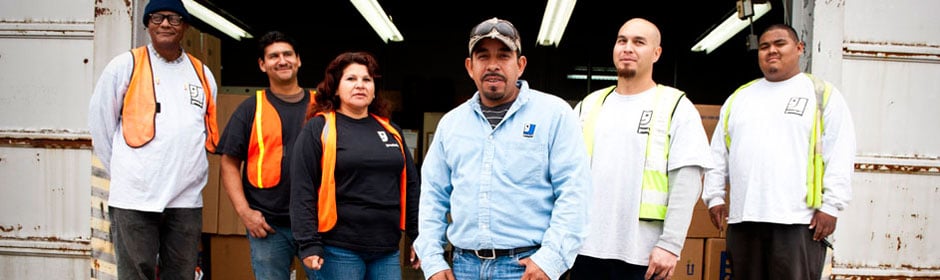
Most people know Goodwill for the 3,000 retail stores we operate across North America. Last year, Goodwill raised nearly $5.2 billion in its stores and other business enterprises. We invested approximately 83 percent of total revenue in job training, work support and financial wellness programs that served 9.8 million people who face employment challenges such as a significant disability, a criminal background, lack of educational attainment or a lack of employment history.
And here’s something really cool about the model. Because people come to us for help finding work, we are able to employ many such individuals in our social enterprise operations (approximately 122,000 in 2013). Many others (more than 110,000 in 2013) are placed in competitive employment outside of Goodwill.
The issues that Goodwill advocates for are related to the key elements of our model.
- Social enterprise: We advocate for policies that incentivize what fuels Goodwill. When you donate your stuff to Goodwill, you create jobs.
- Skills attainment and career advancement: Each year, Goodwill helps millions of people learn skills that help them get jobs and chart a strong career path.
- Financial wellness: Connecting a person to a paycheck without teaching them how to manage it is like giving a person the keys to a car without teaching them to drive. Goodwill also provides financial coaching and other services that help people to leverage their paycheck in order to create stronger families.
To review our complete 2015 public policy priorities, click here.
That’s what Goodwill advocates for. Now, about why. Goodwill’s achievements are truly the result of a public-private partnership. Public resources including federal investments in job training, education, work supports, and others leverage Goodwill’s nationwide infrastructure and expertise. Goodwill is also working to do more and to partner more with key community stakeholders – including policymakers – in all 50 states. The work often results in innovative community solutions that could inform policy decisions made at the local, state, or federal levels.
In other words, policy affects practice; yet practice should also inform policy.
An important voice in Goodwill’s effort to inform policy is the voice of Goodwill’s public supporters. By registering for Goodwill’s legislative action center, you can stay informed about issues that have implications for Goodwill and the people it serves, and also support these efforts by urging your members of Congress to support Goodwill’s public policy priorities and positions.
To register, click here.