- Blog
- Thinking About Employment in a New Technological Environment
Thinking About Employment in a New Technological Environment

This blog covers the changing technological landscape and its impact on acquiring work. If you’d like to learn more about the benefits and drawbacks of this new era, continue reading.
The Shifting Job Market
It’s normal to feel uneasy about all the changes technology is bringing to the workplace. Many worry that machines will take over jobs, making it harder to find steady work or feel secure in a career. These concerns are real and understandable. But change doesn’t have to mean losing control. With the right support and preparation, you can adjust to these shifts and find meaningful, lasting employment.
Right now, many industries are going through big shifts. Jobs that involve repetitive or routine tasks are increasingly done by computers and machines. For example, factories use more automated equipment, customer service often includes automated phone systems and the transportation industry is testing driverless vehicles. Because of this, traditional jobs are becoming harder to come by. At the same time, new roles are appearing — jobs that involve working with these new technologies, analyzing data or helping customers with digital tools.
Even how people look for jobs has changed. Many companies now use software to review applications or conduct early interviews. This can feel frustrating or impersonal. But learning how these systems work can help you present yourself better and avoid being overlooked. It’s not about competing with machines — it’s about understanding the new way job searches happen and using that to your advantage.
Embracing Your Unique Talents
Although technology is advancing, people’s unique talents are more important than ever. Skills like creativity, problem-solving, teamwork and understanding others can’t be replaced by machines. These abilities help you handle challenges and work well with others — qualities employers value highly.
Fortunately, there are programs designed to help you build the skills and confidence needed for today’s job market. Many offer free or low-cost training to learn new skills or improve existing ones. Some employers provide on-the-job training to help workers grow with new technology.
Online courses and short training programs let you learn at your own pace and focus on what’s important for your career.
It’s also important to recognize that not everyone has easy access to the tools needed to succeed — like computers, the internet or local training. This digital divide makes it harder for some people to keep up. Workforce programs are working to close these gaps by providing access and support, so everyone has a fair chance.
For a limited time, you can take the Google AI Essentials and AI Prompting courses for free via Coursera. Click here to find out more.
When planning your career, it’s smart to focus on fields and skills that are less likely to be replaced by automation. Building on your strengths and learning new skills that work alongside technology can open more doors. Using digital tools can help with things like organizing your job
search or learning faster — it’s about making the technology work for you. Having a flexible plan for learning and growth can help you feel more in control, no matter how the job market changes.
Where to Find Support
In the end, the changes technology brings don’t have to be scary. With the right help and resources, you can adjust and find work that provides stability and satisfaction. Workforce development programs, employers and communities are working together to create fair opportunities that keep up with change while valuing your skills and experience. By staying open to learning and using the support available, you can turn uncertainty into opportunity and build a career that fits you.
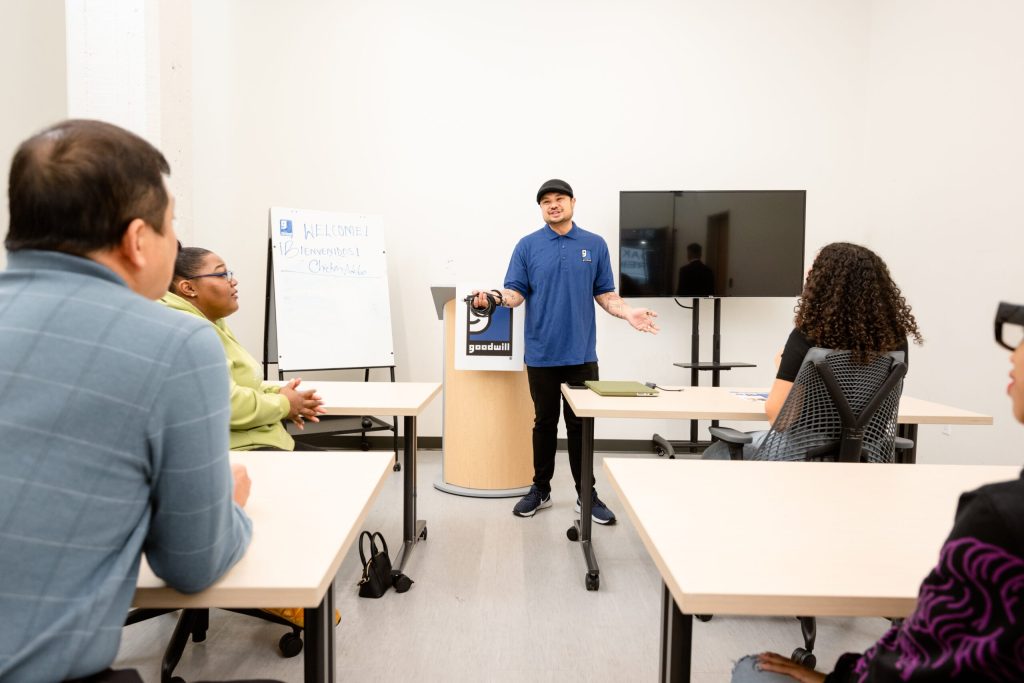
All of this can be overwhelming, which is why it is important to have support. If you would like additional guidance during your job search or have questions about how to advance your career, look no further than the professionals across the country who staff the Goodwill career centers.
Goodwill personnel can help you craft your résumé, find employment and provide essential resources and tailored support. This aid can help people improve their job prospects. Our career navigators are committed to offering career guidance, skills certification, application help, continuing education assistance, interview preparation and financial aid that can help enable you throughout your journey to find work.
Remember, you are not alone on this journey. If you need assistance or counseling regarding any of your employment needs or questions, we are here for you.